

A growing number of immigrants are abandoning their efforts to remain in the United States and formally requesting to leave the country through voluntary departure orders, according to new data released this week. The trend has accelerated significantly during President Donald Trump’s second term, marking one of the most notable shifts in federal immigration enforcement since 2025.
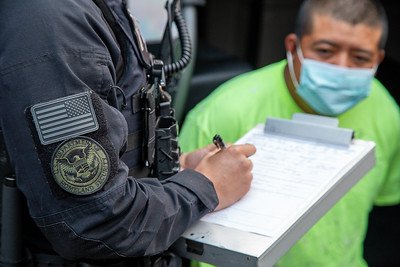
A report from the Vera Institute of Justice shows that immigration judges have issued more than 80,000 voluntary departure orders since 2025, a figure seven times higher than the volume recorded at the end of the Biden administration. The analysis also reveals that over 70% of those who choose voluntary departure are currently held in ICE detention centers, often facing prolonged confinement and limited prospects for asylum.
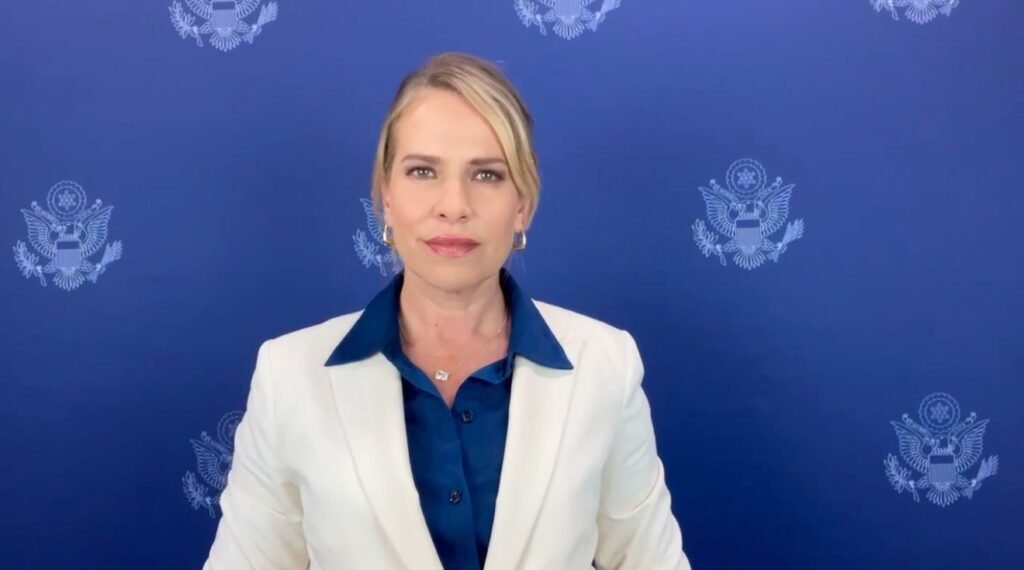
According to Amanda Roberson, the U.S. government’s spokesperson for the Portuguese‑speaking community, the numbers reflect the administration’s stated priorities. “The president made a commitment to strengthen border security and streamline removal procedures, and these results demonstrate that the system is moving in that direction,” Roberson said.
One of the main drivers of the increase is the CBP Home program, created to accelerate the return of immigrants who agree to leave the country voluntarily. Since its expanded implementation in 2025, more than 130,000 immigrants have used the program, which allows participants to await repatriation under electronic monitoring rather than in detention. Federal officials say the initiative reduces operational costs and speeds up processing, while offering what they describe as a “less burdensome” alternative for those opting for self‑deportation.
Roberson emphasized the government’s view that the program benefits both sides. “CBP Home reduces the strain on detention facilities and gives individuals a faster, more predictable path to return to their home countries,” she said.
However, the Vera Institute report points to additional factors behind the surge. Changes in bond rules, an increase in immigration‑related arrests, and the appointment of new judges with less experience in immigration law have created what researchers describe as “heightened pressure” on detainees to accept voluntary departure. States such as Texas, Louisiana, Florida, and Georgia currently report the highest numbers of cases.
Advocates and legal experts warn that the rise may reflect not only policy efficiency but also the growing difficulty immigrants face in securing legal representation or navigating complex court proceedings. As the federal government continues to expand enforcement tools, analysts expect voluntary departure trends to remain a key indicator of the broader immigration landscape in the coming months.